
We are often asked by clients, families and members of our community to recommend books that may support greater understanding, reflection and wellbeing. We have brought together some of our team’s favourites across ADHD, relationships and trauma.These books are intended as general resources and are not a substitute for individual psychological or medical advice.
The Good Life Therapy Reading List
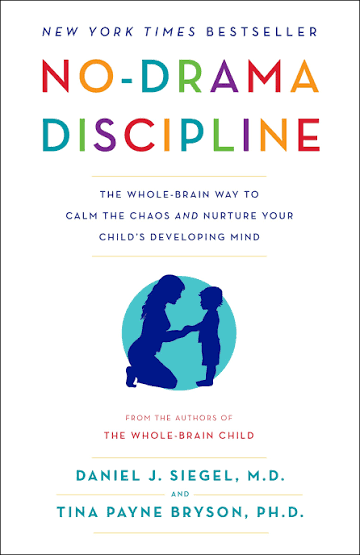
No-Drama Discipline offers a compassionate, relationship-focused approach to challenging behaviour. It encourages parents to look beneath a child’s behaviour, support emotional regulation and use difficult moments as opportunities to teach—while still maintaining clear and consistent boundaries.
With practical strategies grounded in child development and brain-based concepts, this book may be particularly helpful for families navigating emotional outbursts, repeated conflict or reactive patterns.
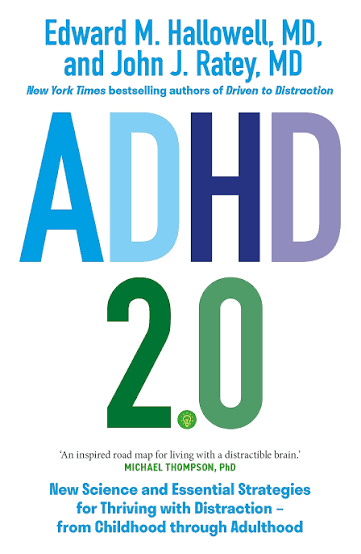
An accessible and optimistic guide to understanding ADHD across the lifespan. Drawing on current research and clinical experience, the authors explore how the ADHD brain works and offer practical strategies for managing attention, emotional regulation, relationships and everyday responsibilities. A helpful starting point for adults with ADHD, parents and partners wanting to better understand the condition.
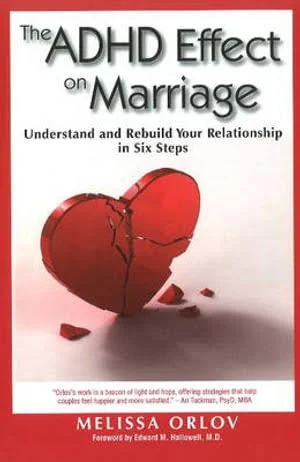
ADHD can influence communication, responsibilities, emotional connection and conflict within a relationship, often without either partner recognising the pattern. This book helps couples understand how ADHD-related challenges may affect both partners and offers practical ways to reduce resentment, improve communication and rebuild a sense of teamwork. Particularly useful when one or both partners have ADHD.
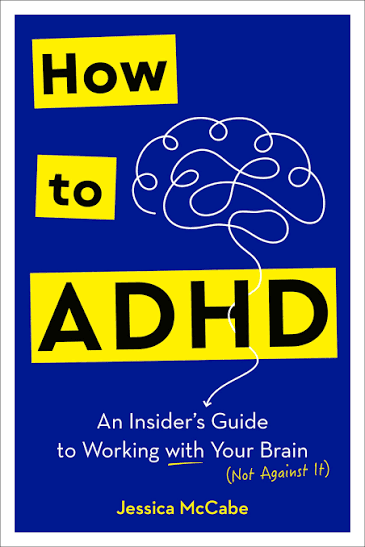
Written by the creator of the popular How to ADHD platform, this practical and compassionate guide helps readers understand how ADHD can affect everyday life. Jessica McCabe combines lived experience, research and realistic strategies for working with an ADHD brain rather than constantly fighting against it. Engaging, relatable and especially helpful for anyone newly diagnosed or beginning to explore ADHD.
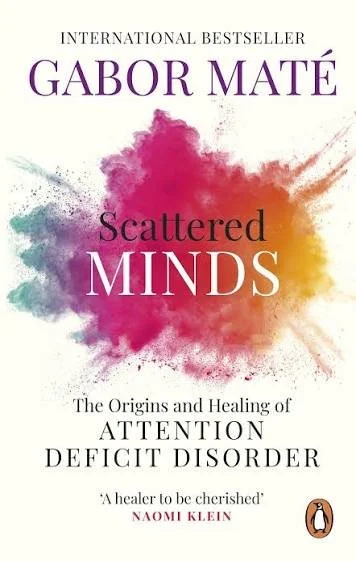
Scattered Minds explores ADHD through the lens of development, stress, relationships and emotional wellbeing. Dr Gabor Maté combines clinical observations with personal experience to consider why attention and regulation difficulties develop and how greater self-understanding may support change. A thought-provoking perspective for adults with ADHD and parents, best read alongside contemporary evidence-based information about ADHD.
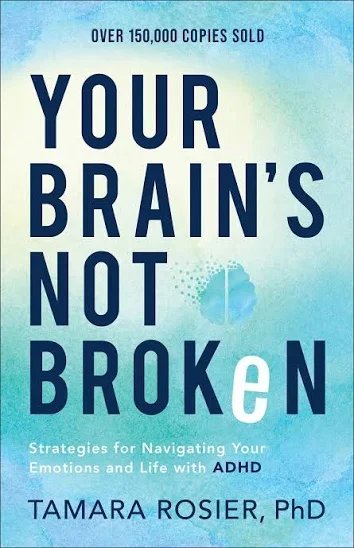
A reassuring and practical guide for adults who feel frustrated by the gap between what they intend to do and what they are able to make happen. Tamara Rosier explains ADHD-related challenges involving motivation, time, energy and emotional regulation in an approachable way. The book offers tools to help readers better understand their patterns, reduce shame and develop strategies that work for them.
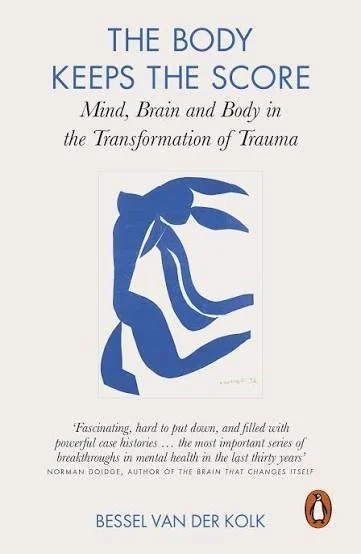
A widely recognised exploration of how trauma can affect the brain, body, emotions and relationships. Drawing on research and clinical experience, Dr Bessel van der Kolk discusses different approaches to trauma recovery and the importance of restoring safety and connection. This can be an insightful but emotionally intense read, so some readers may prefer to approach it gradually or alongside therapeutic support.
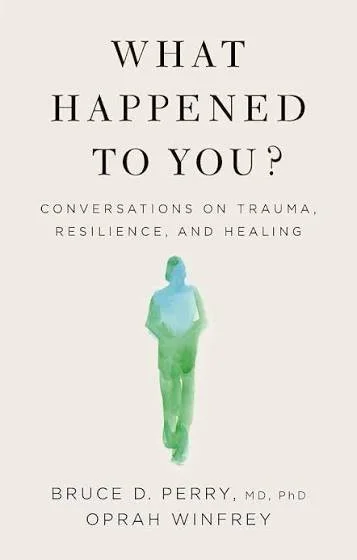
Rather than asking, “What is wrong with you?”, this compassionate book encourages us to ask, “What happened to you?” Through conversations, research and personal stories, it explores how early experiences can shape emotional responses, relationships and behaviour. An accessible introduction to trauma-informed thinking for individuals, parents, carers and anyone wanting to understand themselves or others more deeply.

This thought-provoking book examines the relationship between emotional wellbeing, physical health, trauma and the pressures of modern life. It invites readers to consider how culture, stress and disconnection may influence the way we feel and function. A reflective read for those interested in understanding health and healing within a broader social and relational context.
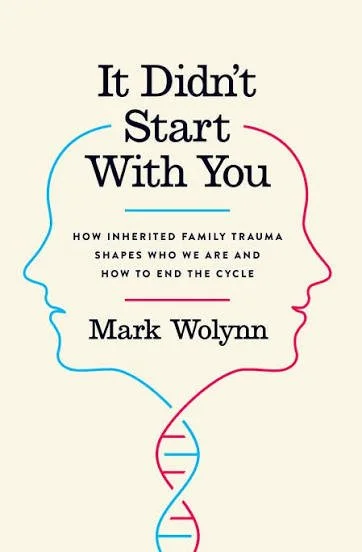
One of our personal favourites, this book explores the idea that unresolved experiences within families can influence later generations through beliefs, emotional patterns and relationship dynamics. Mark Wolynn provides reflective exercises designed to help readers identify recurring themes and develop a different relationship with their family story. A compelling read for anyone curious about intergenerational patterns and their possible influence.
Affiliate disclosure
Some links on this page are affiliate links. If you purchase through one of these links, The Good Life Therapy may receive a small commission at no additional cost to you. Books are selected for their relevance to the topic, and inclusion does not replace personalised professional advice.
Provided by